Highway hypnosis is a trance-like state in which a driver keeps steering and responding to the road while their conscious attention drifts somewhere else, often leaving them with no memory of the last several miles. It is most common on long, straight, predictable highways, and it can slide into true drowsiness without the driver noticing. When a driver in that state drifts across a lane or fails to brake, the result can be a serious car accident that injures people who did nothing wrong.
Researchers today often call this condition driving without awareness, or driving without attention mode. The older label, highway hypnosis, has been in use since the 1960s, and some drivers know it by the nickname white line fever. Whatever you call it, the danger is the same: a driver whose eyes are open but whose mind is not on the road.
If you were hurt by a driver who zoned out, fell asleep, or simply never saw you, you may have the right to compensation under Texas law. The rest of this guide explains what highway hypnosis is, how it differs from drowsy driving, and how fault is decided after a crash.

In a state of highway hypnosis, the brain handles routine driving tasks on a kind of autopilot. Lane keeping, light steering corrections, and holding a steady speed continue, but higher-level attention is low. The driver may be daydreaming, deep in thought, or simply disengaged.
The problem shows up when something unexpected happens. A car ahead brakes hard, a pedestrian steps out, or traffic slows near a work zone. A driver on autopilot reacts more slowly, and at highway speeds a delay of even a second or two covers a lot of ground. Studies summarized by the European Commission's road safety observatory found that low-attention driving was present in a meaningful share of lane-marking crossings during monotonous motorway drives.
• You cannot remember passing familiar exits, towns, or landmarks.
• Your eyes feel fixed on the lane lines or the vehicle ahead.
• You drift toward the shoulder or hit a rumble strip.
• Your speed creeps up without you realizing it.
• You react late to brake lights, merging traffic, or signs.
• You feel heavy-eyed, foggy, or detached from the drive.
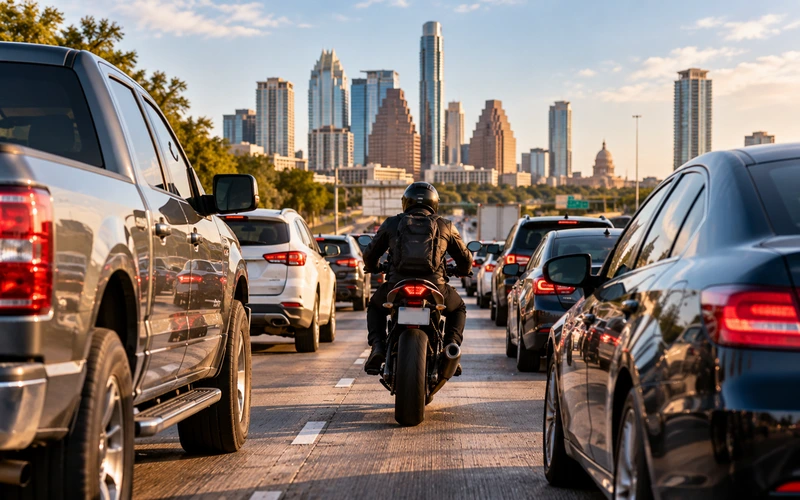
Predictability is a bigger trigger than distance. Long stretches of interstate with few curves, light traffic, steady engine noise, and repeating lane markings give the brain little to work on. Experienced drivers on familiar commutes are especially prone to it. Driving alone, driving at night, glare, and fatigue all make it more likely. In Texas, long rural runs on routes like I-10 and I-45 create exactly the kind of monotonous conditions linked to this state.
The two conditions overlap, but they are not identical. Highway hypnosis is mainly a problem of low attention, and it can happen to a driver who is not sleepy at all. Drowsy driving is a problem of fatigue, and at its worst it ends in microsleeps, brief losses of consciousness that can last several seconds. Highway hypnosis can be the first step toward falling asleep, which is why drivers should treat it as a warning.
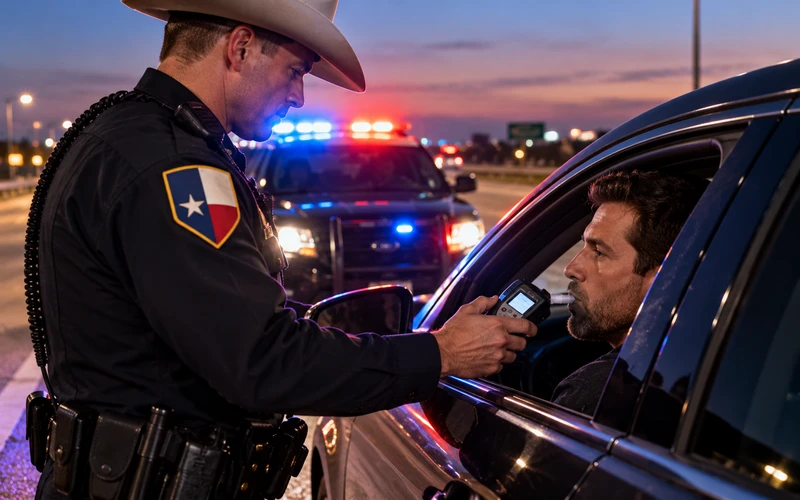
Official numbers capture only part of the problem. According to NHTSA's drowsy driving data, 644 people died in drowsy-driving-related crashes in 2024. NHTSA itself warns that these figures are likely an undercount, because police often cannot tell after a crash whether a driver was fatigued or inattentive.
Research from the AAA Foundation for Traffic Safety suggests the real toll is far higher. A recent AAA Foundation analysis estimated that about 17.6 percent of fatal crashes from 2017 to 2021 involved a drowsy driver. NHTSA also notes that drowsy-driving crashes often involve a single driver leaving the road at high speed with no sign of braking, and that they cluster between midnight and 6 a.m. and in the late afternoon.
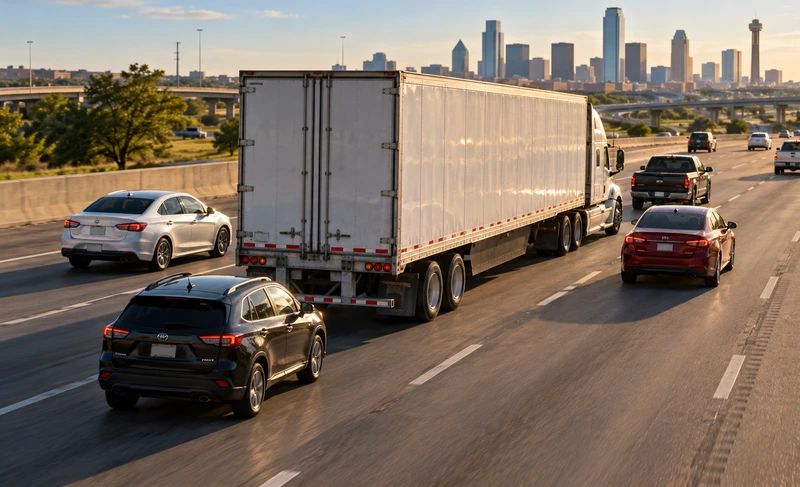
Commercial truck drivers spend long hours on exactly the kind of roads that cause highway hypnosis, and an 80,000-pound rig that drifts out of its lane can cause catastrophic harm. Federal rules try to limit that risk.
Under the FMCSA hours-of-service rules in 49 CFR Part 395, a truck driver generally may drive up to 11 hours after 10 consecutive hours off duty, may not drive past the 14th hour after coming on duty, must take a 30-minute break after 8 cumulative hours of driving, and may not drive after 60 or 70 on-duty hours in 7 or 8 days. A separate federal rule bars a driver from operating a commercial vehicle when fatigue makes it unsafe to do so.
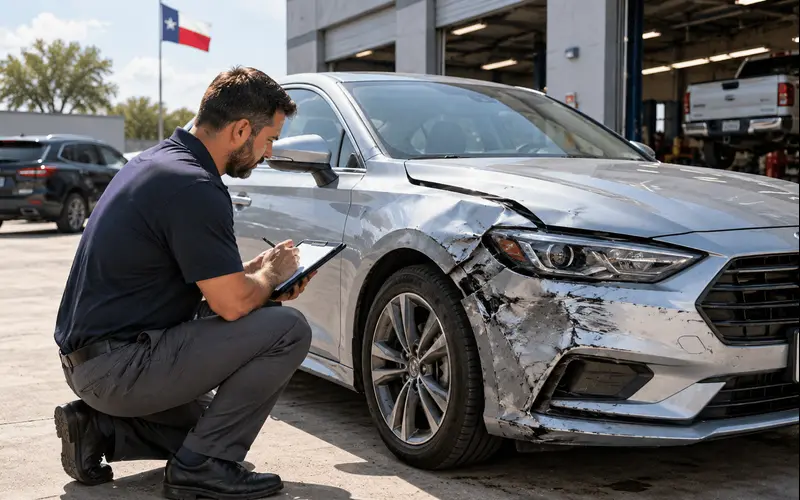
When a tired or zoned-out trucker causes a wreck, electronic logging device data, dispatch records, fuel receipts, and delivery schedules can show whether the driver broke these limits or was pushed to. Trucking companies may be responsible for their drivers and for unrealistic schedules. That evidence can disappear quickly, which is why speaking with a truck accident lawyer early matters.
Highway hypnosis is not a legal defense. Every Texas driver has a duty to keep a proper lookout and control their vehicle, and a driver who zones out and causes a wreck has usually breached that duty. These cases are typically built on negligence: the driver failed to act as a reasonably careful person would, and that failure caused your injuries.
Drivers who feel themselves drifting have choices. They can pull over, take a break, or stop driving. Choosing to keep going while impaired by fatigue or inattention is the kind of decision a jury can weigh heavily.
Texas follows proportionate responsibility under Chapter 33 of the Civil Practice and Remedies Code. If you were partly at fault, your damages are reduced by your share. If you are found more than 50 percent responsible, you cannot recover. Insurers sometimes argue that a victim could have avoided a drowsy driver, so clear evidence of how the crash happened is important.
• Witness statements describing weaving, drifting, or no braking.
• The police crash report and any officer notes about fatigue.
• Vehicle event data showing speed and brake use before impact.
• Phone records, work schedules, and hours on the road.
• Dash camera or traffic camera footage.
• Skid marks, or the lack of them, at the scene.
Texas generally gives injured people two years from the date of the crash to file a personal injury lawsuit under Civil Practice and Remedies Code Section 16.003. If you lost a loved one, a wrongful death claim may be available to certain family members. After any crash, it helps to know how to file a police report so the facts are documented.
You cannot control other drivers, but you can lower your own risk on long Texas drives:
1. Get a full night of sleep before a long trip.
2. Take a break about every two hours or 100 miles, even if you feel fine.
3. Move your eyes regularly between mirrors, gauges, and the road ahead.
4. Keep the cabin cool and avoid heavy meals before driving.
5. Talk with a passenger, or switch drivers if someone else can take over.
6. Avoid driving during your normal sleep hours whenever possible.
7. Pull over somewhere safe the moment you notice missing time or drifting.
Proving that a driver zoned out or fell asleep takes fast action and careful investigation. The Daspit Law Firm has more than 50 attorneys and over 15 offices, including Houston, Austin, Dallas, Fort Worth, San Antonio, Beaumont, and Galveston, and has recovered over $500 million for clients. We offer free consultations 24/7, can visit you at home or in the hospital, and work on contingency, so you pay no legal fees unless we win.
If a drowsy or inattentive driver changed your life, you do not have to face the insurance company alone. Call The Daspit Law Firm toll free at (888) 273-1045 or reach out online to talk with our team about your case.
Highway hypnosis is a state where a driver keeps the car moving and in its lane while their mind is somewhere else. Afterward, the driver often cannot remember the last few miles. It usually happens on long, straight, predictable roads and can lead to slow reactions, lane drifting, and crashes. Researchers also call it driving without awareness.
No. Highway hypnosis is low attention with the eyes open, and it can happen to drivers who are well rested. Falling asleep involves fatigue and microsleeps, where the eyes close for seconds at a time. The two can overlap, and highway hypnosis may be an early step toward dozing off, so drivers should treat it as a warning to stop.
Yes, in many cases. Texas drivers must keep a proper lookout and control their vehicles, and zoning out is not a legal excuse. If an inattentive or drowsy driver caused your injuries, you may be able to bring a negligence claim for medical bills, lost income, and pain. An attorney can review the evidence and explain your options.
Property-carrying truck drivers generally need 10 consecutive hours off duty before driving up to 11 hours. They cannot drive beyond the 14th hour after coming on duty and must take a 30-minute break after 8 hours of driving. Weekly limits of 60 or 70 on-duty hours also apply. These rules come from FMCSA regulations in 49 CFR Part 395.
In most Texas personal injury cases, you have two years from the date of the crash to file a lawsuit under Civil Practice and Remedies Code Section 16.003. Some claims, such as those against government entities, can have shorter notice deadlines. Because evidence like logbooks and vehicle data can disappear quickly, it is wise to speak with a lawyer early.
All too often, accident victims are steamrolled by insurance companies determined to minimize or deny their claims. Don't let this happen to you. Hire us to fight for the compensation you deserve.


At The Daspit Law Firm, Our Team of Attorneys Handles the Full Range of Personal Injury Cases, Including Car and Truck Accidents, Industrial Accidents, Construction Accidents, Maritime & Offshore Accidents, and Much More.
The information on this website is for general information purposes only. Nothing on this site should be taken as legal advice for any individual case or situation. This information is not intended to create, and receipt or viewing does not constitute, an attorney-client relationship.
© 2026 All Rights Reserved. Privacy Policy, Accessibility, Legal Disclaimer